


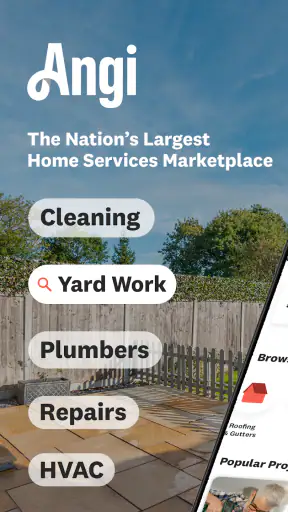

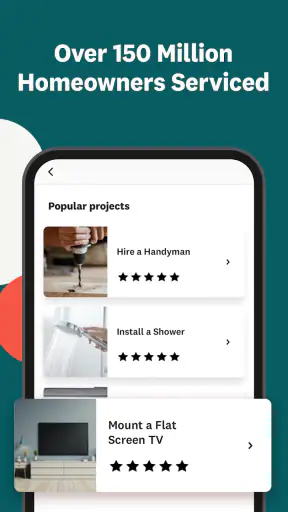
I use home-service apps when a repair is too specialized for a quick search but too small to justify spending an afternoon calling companies. Angi: Hire Home Service Pros is built for that middle ground: it helps connect homeowners with professionals for remodeling, maintenance, cleaning, and other jobs around the house. My overall impression is positive, especially when I already know what kind of work I need and want a more organized way to start finding help.
The app is free, aimed at everyone, and comes from Angi Inc. It has been available for many years, and its current version is 26.26.0. That long presence matters because this is not a brand-new directory trying to prove itself. It feels like a mature service marketplace, although the experience still depends heavily on the quality and availability of professionals in my area.
How Angi feels in everyday use
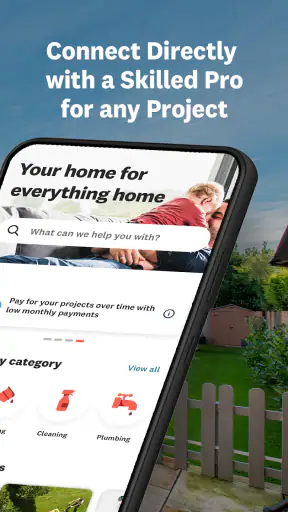
The strongest part of the experience is the initial job-matching process. Instead of searching the web for broad phrases such as “plumber near me” or “house cleaner,” I can describe a more specific task and begin from a home-service category. That difference sounds small, but it reduces the amount of sorting I normally have to do between advertisements, outdated business pages, and unrelated results.
I found the app most useful when I treated it as a starting point for comparing options rather than as an automatic answer to a repair problem. A request can help me identify professionals who may fit the job, but I still need to ask about scope, materials, timing, insurance, and the final price. The app makes the first contact easier; it does not remove the homeowner’s responsibility to check the details.
That distinction is important for larger work. A request for a small maintenance visit is relatively easy to explain. A kitchen remodel, roof project, or extensive cleaning job needs more context, and the first description I enter may not capture everything a professional needs to quote accurately. I get better results when I prepare a short list of measurements, photos, preferred dates, and must-have requirements before submitting anything.
A realistic homeowner scenario
Imagine I notice water staining near a ceiling on a weekday evening. I may not know whether the cause is a roof issue, plumbing, or an older leak that has returned. Searching for one exact trade could send me in the wrong direction. In that situation, I would use Angi to describe the visible problem, explain that the cause is uncertain, and use the responses to learn which type of professional is appropriate.
I would not rely on the first reply alone. I would compare how clearly each person explains the next step, whether the proposed visit is for inspection or repair, and whether the professional asks sensible questions before discussing the work. The app is valuable here because it can organize the search, but the quality of my decision still comes from the follow-up conversation.
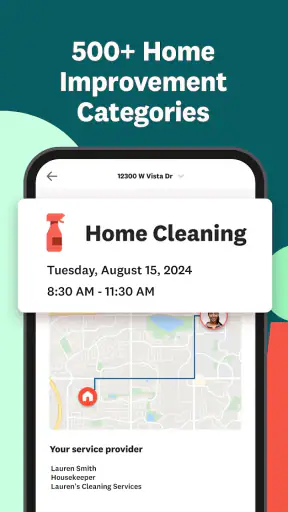
For routine cleaning, the process can be more straightforward. I can describe the size and condition of the home, mention rooms that need special attention, and state whether I want a one-time visit or recurring help. Even then, I would confirm what “cleaning” includes. Interior windows, appliances, laundry, heavy buildup, and pet-related work can change the effort considerably, so a vague request may produce mismatched expectations.
What makes it different from ordinary searching
The usual alternative is to search locally, open several business pages, read scattered reviews, and contact companies one by one. That approach can work well when I already have a trusted recommendation or know the exact contractor I want. Angi is more useful when I am starting from a need rather than a company name.
Compared with asking friends or neighbors, the app gives me a broader way to begin, but personal recommendations often carry more useful context. A neighbor can tell me how a contractor handled delays, cleanup, communication, and unexpected costs. Angi can help me discover candidates, while a personal referral may help me understand how those candidates behave after the job begins.
Compared with a dedicated trade directory, Angi covers a wider range of household needs. That breadth is convenient for someone managing several projects, but it can also make the experience feel less specialized than a platform focused only on one service. If I need a highly technical consultation, I may still prefer a local specialist or a professional association directory.
Where the app saves time
One non-obvious advantage is that I can use the app to clarify my own request before I contact anyone. Writing down the job in a structured way exposes missing information: Is the problem urgent? Is access difficult? Does the work involve electrical, plumbing, structural, or cosmetic changes? Do I need materials supplied, or will I purchase them myself?
This preparation improves the quality of conversations outside the app too. Even if I ultimately hire someone found through a friend, the description I developed while using Angi can help me request comparable estimates. The best use of the app is not simply finding a name; it is turning a vague household problem into a clearer service request.
I also recommend keeping communication focused. Rather than sending a long story with several unrelated projects, I would create separate requests or conversations when possible. A professional who understands one well-defined job is more likely to respond usefully than someone asked to estimate painting, appliance repair, yard work, and deep cleaning in the same message.
Current state, evolution, and practical trade-offs
What the current release suggests
The current version, 26.26.0, indicates that the app remains actively maintained rather than frozen in an old marketplace design. For existing users, that is reassuring: a service platform needs ongoing attention because search, messaging, account handling, and local availability all affect whether a request becomes useful. I see the current release as evidence of continued product upkeep, not as a reason to assume every local experience will be identical.
The app’s long history also explains its broad scope. It is not limited to one narrow repair category; it is positioned for remodeling, home maintenance, maid services, and more. That makes it a practical app to keep available before an emergency happens. I would rather decide how to use it while calm than install it for the first time when a broken fixture or sudden leak is already disrupting the household.
At the same time, a newer version does not automatically mean every workflow has changed dramatically. The central value remains the connection between homeowners and service professionals. I would judge an update by whether it makes requests clearer, improves communication, and reduces uncertainty—not merely by the version label.
How the scale affects the experience
Angi has an average rating of 4.2 from around 46 thousand ratings, with roughly 14 thousand written reviews, and it has passed 5 million installs. Those figures show substantial public use, but they should not be treated as a guarantee for my particular neighborhood. Home-service marketplaces are local by nature. A strong overall reputation may coexist with limited choices, slower responses, or different service quality in one city.
I read reviews for patterns rather than isolated praise or complaints. Repeated comments about communication, punctuality, estimating, or cleanup are more useful to me than a single emotional account. I also pay attention to whether a review seems relevant to the kind of work I need. A person satisfied with a simple cleaning visit may not tell me much about a complex renovation.
Another trade-off is convenience versus control. A marketplace can reduce the work of discovering providers, but I may have less direct knowledge of how candidates were selected or how busy they are. I still want to verify the professional’s identity, credentials where relevant, and the written terms of the job. The app can support that process, but it should not replace it.
What existing users should expect after updates
If I already use Angi, the main benefit of staying current is a smoother chance of handling requests through the maintained app rather than an outdated build. I would expect the broad purpose to remain familiar: describe a project, review possible matches or contacts, and continue the conversation toward an appointment or estimate.
I would also revisit old requests instead of assuming they are still active or relevant. Home projects change quickly. A professional who was suitable for a spring repair may not be available later, and a saved description may omit new damage or changes to the budget. Keeping my information current is more useful than simply collecting old contacts.
For someone concerned about phone storage or an older device, the minimum operating-system requirement is Android 7.0 or later. That makes the app accessible to many older Android phones, though practical performance can still vary with the device and connection. I would install it on the phone I actually use for calls and messages, since a home-service request is less useful if I miss follow-up communication.
Important gaps and points of friction
The biggest limitation is that finding a professional does not guarantee a reliable outcome. The app cannot fully predict how a contractor will handle an unexpected complication, whether an estimate will change after inspection, or how well a cleaner will match my personal standards. I need to ask direct questions before agreeing to work.
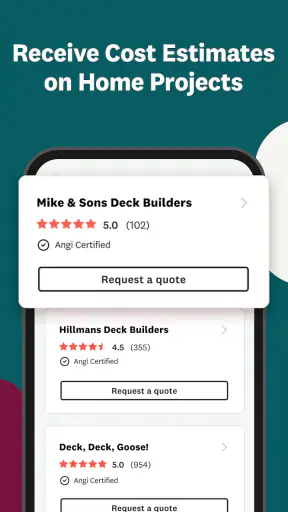
Price comparison can also be less simple than it appears. Two professionals may describe similar work while including different materials, preparation, disposal, warranties, or follow-up visits. I would request written estimates with the same scope so I am comparing like with like. Choosing the lowest number without checking inclusions can create more expense later.
Urgent jobs are another weak point. If water is actively flooding a room, a marketplace request may not be the fastest first move. I would handle immediate safety concerns, shut off utilities if it is safe and appropriate, and contact an emergency service directly when time matters. Angi makes more sense for planned maintenance, non-immediate repairs, and projects where I can evaluate options.
The broad category coverage can create another kind of friction: I may need to know enough about the problem to choose the right request. If I select the wrong type of professional, the resulting conversation may be inefficient. When the cause is unclear, I would describe the symptoms carefully and ask for an inspection rather than pretending I know the diagnosis.
Three smarter ways to use it
Build a project brief before asking for help. I write the location, visible problem, approximate size, preferred timing, access restrictions, and whether photos are available. This reduces back-and-forth and helps professionals decide whether the job fits their work.
Use the first conversation as a screening step. I ask what the visit includes, whether the estimate is free or paid, who supplies materials, and what happens if the actual problem differs from the description. Clear answers are a useful signal before scheduling.
Separate discovery from hiring. I use the app to create a shortlist, then compare that shortlist with local recommendations and direct research. This avoids treating marketplace visibility as the same thing as proven suitability.
These habits are especially helpful for remodeling. A renovation is not one task but a chain of decisions involving design, preparation, materials, trades, timing, and cleanup. Angi can help me begin locating people for parts of that chain, but I would not expect one quick request to manage the entire project without my own planning.
Who should use it, and who should skip it
I would recommend Angi to renters who need permission-friendly maintenance help, homeowners without an established contractor, landlords coordinating routine work, and busy people who want one place to begin several household searches. It is also useful for someone who knows the desired result but does not yet know which local professional to contact.
I would be more cautious if I already have a trusted network and only need one specific specialist. In that case, calling the known company directly may be faster. I would also skip using the app as my only plan for a dangerous emergency, a highly regulated project requiring specialized certification, or a dispute where I need formal legal or insurance guidance.
People who dislike follow-up calls or messages may find the process demanding. Home services require details, scheduling, access arrangements, and decisions about scope. The app can reduce the initial search, but it cannot make the homeowner completely hands-off. If I want a fully managed project with one accountable general contractor, I need to investigate that option separately rather than assume a marketplace request provides it.
What I would watch next
For future releases, I would pay attention to improvements that make estimates easier to compare and project details easier to preserve. Better organization of conversations, clearer distinctions between inspection and repair, and stronger support for documenting scope would have real value. These are the areas that determine whether an initial match becomes a confident hiring decision.
I would also watch how well the app handles repeat work. A household may need seasonal maintenance, recurring cleaning, or several stages of a renovation. The most useful evolution would help me maintain continuity without confusing an old request with a new one. That would make the app more valuable after the first successful job, not just during the initial search.
My final view is that Angi is a practical discovery tool, not a substitute for judgment. Its free access, broad home-service coverage, and established user base make it worth trying when I need to find local help and do not know where to begin. I get the most from it when I prepare a precise request, compare responses carefully, and confirm every important detail before work starts.
In short, I would keep it installed for planned repairs, maintenance, cleaning, and remodeling research. I would not use it blindly, and I would not expect the app alone to guarantee quality or the lowest cost. Used as a first step in a careful hiring process, though, it can turn a frustrating home task into a more manageable search. It is best for getting organized and finding candidates, while the final decision still belongs to me.


